
Introduction
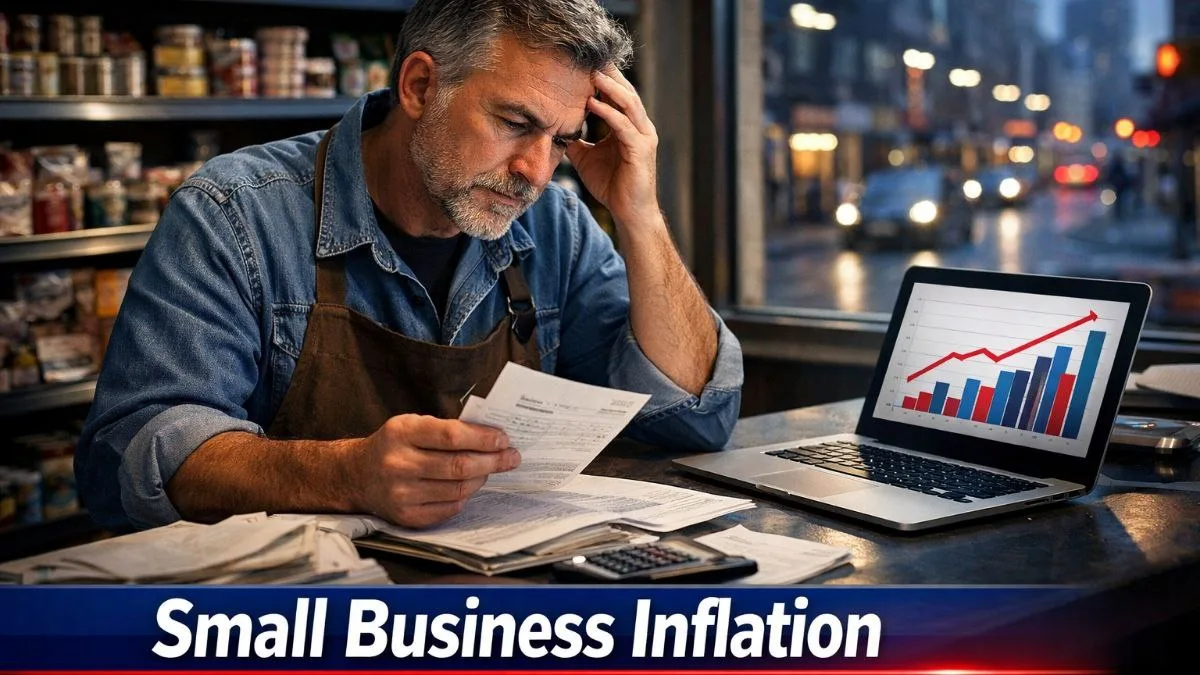
Across the United States, small business owners are feeling the pressure of rising prices. From local coffee shops to family-owned retail stores, inflation continues to shape the daily realities of running a business in 2026.
How inflation is affecting small businesses in the United States has become a major economic concern. While inflation has cooled slightly compared with the highs seen earlier in the decade, the cost of goods, wages, and rent remains significantly higher than before.
For millions of entrepreneurs who form the backbone of the American economy, these rising costs are forcing tough decisions about hiring, pricing, and long-term growth
Background: Why Inflation Still Matters in 2026
Inflation surged in the United States following global supply chain disruptions, pandemic recovery spending, and strong consumer demand. Although government policies and Federal Reserve actions have helped stabilize inflation rates, prices for many everyday expenses remain elevated.
For small businesses, inflation affects nearly every part of operations.
Many business owners report increased costs in areas such as:
- Rent and commercial property leases
- Energy and utility bills
- Raw materials and inventory
- Employee wages and benefits
- Transportation and logistics
Unlike large corporations with deeper financial reserves, small businesses often operate on tight margins. Even modest price increases from suppliers can have a major impact on profitability.
How Inflation Is Affecting Small Businesses in the United States
Rising Operating Costs Are Squeezing Profit Margins
One of the clearest ways how inflation is affecting small businesses in the United States is through higher operating costs.
Small business owners across the country report that nearly every expense—from supplies to utilities—has increased in recent years.
Restaurants, for example, are paying significantly more for ingredients like meat, dairy, and produce. Retailers are dealing with higher wholesale prices for clothing, electronics, and household goods.
As a result, many businesses are seeing their profit margins shrink even while sales remain steady.
Some entrepreneurs say they are absorbing part of these costs themselves to avoid losing customers.
Higher Labor Costs and Staffing Challenges
Another key factor affecting small businesses is the cost of labor.
In a competitive job market, many companies have raised wages in order to attract and retain workers. While higher pay benefits employees, it also adds financial pressure for small employers.
Many small business owners say they are facing:
- Increased payroll expenses
- Difficulty finding skilled workers
- Reduced operating hours due to staffing shortages
Some businesses are also investing in automation or digital tools to offset labor costs.
Consumer Spending Is Becoming More Cautious
Inflation doesn’t only affect businesses—it also affects their customers.
As Americans face higher grocery bills, rent payments, and energy costs, many are becoming more selective about where they spend their money.
For small businesses, this shift means:
- Slower retail sales
- Reduced discretionary spending
- Greater price sensitivity among customers
Many businesses are trying to strike a careful balance between raising prices and keeping products affordable.
Key Developments in the U.S. Economy
Several trends in 2026 are shaping how inflation affects small businesses.
Interest Rates Remain Relatively High
Higher interest rates have made borrowing more expensive. For small business owners who rely on loans for expansion, equipment purchases, or inventory, financing has become more costly.
Supply Chains Are Improving
Supply chain disruptions that plagued businesses earlier in the decade have gradually improved. However, some industries still face higher transportation and shipping costs.
Technology Adoption Is Increasing
Many small businesses are turning to technology to improve efficiency. Online sales platforms, digital inventory systems, and automated payment tools are helping businesses reduce operational costs.
Expert Reactions
Economists say inflation is creating a complex environment for small businesses.
Some experts believe prolonged cost pressures could lead to more consolidation within certain industries, with larger companies acquiring struggling smaller competitors.
Others point out that American small businesses have historically shown remarkable resilience.
Entrepreneurs are adapting in creative ways—renegotiating supplier contracts, introducing new products, and finding ways to cut unnecessary expenses.
According to economic analysts, flexibility and innovation remain key strengths of the small business sector.
Impact on Americans
Local Economies Depend on Small Businesses
Small businesses play a critical role in the U.S. economy. They employ millions of Americans and help drive economic activity in cities and towns across the country.
When inflation pressures these businesses, the effects can ripple through communities.
Potential impacts include:
- Reduced hiring
- Slower local economic growth
- Higher prices for goods and services
- Occasional store closures
Despite these challenges, many communities continue to support local businesses as an essential part of neighborhood culture.
Consumers Are Feeling the Effects Too
For American households, inflation shows up in everyday spending.
Customers may notice:
- Higher menu prices at restaurants
- Increased costs for local services
- Price adjustments at small retail stores
Many consumers understand that these price increases reflect broader economic pressures rather than business decisions alone.
Future Outlook
Looking ahead, economists believe the impact of inflation on small businesses will depend on several factors.
If inflation continues to moderate and interest rates decline, businesses could see relief in borrowing costs and operating expenses.
However, some challenges may persist, especially in industries heavily dependent on labor or imported goods.
Still, there is optimism.
Small businesses have always been a powerful force in the American economy, known for their adaptability and innovation. Many owners are already finding new strategies to manage rising costs while continuing to serve their communities.
Conclusion
The conversation around how inflation is affecting small businesses in the United States remains central to the nation’s economic outlook in 2026.
While inflation may not be as dramatic as it was a few years ago, its impact continues to shape how entrepreneurs operate their businesses. Rising costs, cautious consumers, and higher borrowing expenses are forcing many owners to rethink their strategies.
Yet despite the challenges, small businesses remain a cornerstone of the American economy. Their ability to adapt, innovate, and connect with local communities ensures they will continue to play a vital role in the country’s economic future.
FAQs
Why are small businesses more affected by inflation?
Small businesses typically operate with smaller profit margins and limited financial reserves, making it harder to absorb rising costs.
Are small businesses raising prices because of inflation?
Yes, many small businesses are gradually increasing prices to offset higher costs for materials, labor, and rent.
Is inflation expected to decline in the United States?
Economists expect inflation to gradually stabilize, but some sectors may continue experiencing higher costs.
How can small businesses manage inflation?
Businesses are managing inflation by improving efficiency, adopting technology, adjusting prices, and renegotiating supplier contracts